Find Your Balance
Balancing comfort and portability varies from camper to camper. How far do you have to trek in? How much time are you willing to spend transporting your gear versus going about daily camp life? And, the million dollar question: do you typically over-pack? Well, that depends who you ask. Some campers are quite proud of how they have refined their set-up to the bare essentials while others take pride in their cozy campsites. We think there's room for both, but if you're looking to lighten the load a touch, here are our recommendations for when you could opt for portable gear without sacrificing comfort
Sleeping Pads: Most Portable
Sleeping pads have come a long way. Nowadays, some pack down to about the size of a water bottle, making them the obvious choice for backpackers looking to save space and weight. They’re lightweight, easy to pack and quick and easy to inflate and deflate.
But sleeping pads are reserved strictly for backcountry campers. With a range of sizes, thicknesses and R-Values (measure of insulation), they’re still a great portable option for car campers. The low-profile design provides a cushion-y feel that supports you while you sleep, all without taking up too much room in your tent. Whether you have to hike to camp or just park next to it, a sleeping pad is worth considering.
Air Mattresses: Camp Classic
If you’re looking for something that feels a little more like your bed at home, an air mattress may be the way to go. These offer a larger sleeping surface than a sleeping pad and put more space between you and the potentially uneven ground. That extra comfort does come with extra bulk. You’ll need to make sure you’ve got the space to pack it in your car, that your tent has the space to accommodate it, and don’t forget to pack along a pump to inflate it.
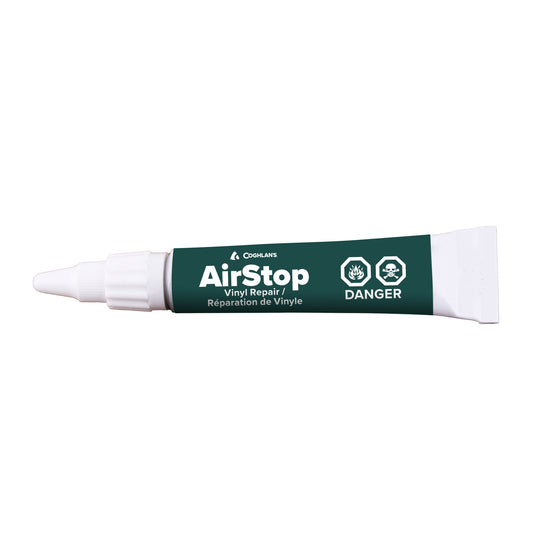
With an inflatable, there is always the risk of waking up a little closer to the ground than you were at the start of the night. The last thing you want is to discover is a tiny hole leaking air at 3AM. Maybe grab a repair kit on your way out the door as well.
Thankfully for front-country campers with extra cargo space, the added bulk is a non-issue. Throw on extra blankets, some sleeping bags, and you’ve got a cozy sleep set-up that will give your bed at home a run for its money.
Cots: Front-Country Luxury
If you have the time, space and want a bit more stability, a cot could be the backbone of your perfect sleep set-up. These guys typically feature a metal frame that assembles to create a stand to support a fabric base, and for some campers it’s used to support an additional air mattress on top. It doesn’t get much more luxurious than that. Of course, this is not ideal for a backcountry hike. You’ll need available cargo space and little to no trekking required to get to your campsite. Ideally, cots are also suited for a longer camping trip, there’s no sense dealing with the bulk and weight of a cot for a quick overnighter.
Pillows
- At Home: Your pillow from home is hard to beat. It’s already broken in, it has the perfect amount of fluff to it and is truly comfortable to sleep on. If you’ve got the space, we’re all for bringing it along. The downside? Your pillow likely wasn’t made with camping in mind. Between dirt, moisture, and limited packing space, it isn’t always your most practical option. To backpackers especially, it’s best to leave it safe and sound on your bed at home.
- Compressible: The next best thing, is a compressible pillow. You’ll get some of that at-home comfort without taking up as much space. These pillows typically use foam, synthetic fill or recycled fabric to give a comfy feel that still allows for easy packing. Unlike an inflatable pillow, the softer filling gives your head somewhere to sink into, for just a little extra comfort. While they’re not the most compact option on the market, they’re a solid middle ground for campers who want to save space without sacrificing a good night’s sleep.
- Inflatable: These are the lightest, most compact option on the market. Some backcountry campers will go a step further to eliminate any extra weight. This typically results in a pillowcase packed with clothing. Sounds comfy, right? Inflatable pillows are the lightest, most compact option on the market, not to mention they’re a significant step up from a clothing-stuffed pillowcase. These typically have a smaller surface area for your head, and can have a bit more of a balloon feel. A common trick is to slightly under-inflate the pillow. It’ll allow your head to sink in a bit and feel less like you’re sleeping on a beach ball. After a long day on the trails, we promise a little comfort goes a long way.
Whether you want to pack light for the backcountry or bring some pieces of home to the campground, the right sleep set-up comes down to what works best for you. We're just here to make sure that you wake up with enough energy to tackle the trails and are able stay awake for stories and s’mores around the campfire.