A vacant campsite in the forest with a campfire pit and brown wooden picnic bench

5 Easy Ways to Camp Sustainably

Rule number one of camping: always leave your campsite better than you found it. This means being considerate of the nature surrounding you, disposing of any garbage, and making sure that your campfire is completely extinguished – and we mean completely. Being mindful of habits like these when you're spending any time outdoors means that it can be enjoyed for many seasons and generations to come. So, next time you're about to hit the trails, or you're packing out, remember these five tips for being a sustainable camp hero.

A hand holding a small white garbage bag over a portable pop-up garbage bin at a campsite

Dispose of Waste Properly

All established campgrounds will have clearly marked waste-disposal bins throughout the grounds. Typically, you’ll see garbage, recycling, and potentially a bin for propane canisters. Take the extra seconds to sort through your trash and toss it into the correct bins. Do your part in preventing an entire bin from being contaminated and making sure it can be disposed of properly.

In case it wasn’t common knowledge: TP, wrappers and fruit peels shouldn’t be found anywhere in the forest. When you’re in the backcountry, you pack out what you pack in, and we mean everything. Pack your gear and food with waste management in mind and try to leave single-use products at home when possible. TP is an exception, but it still needs to be packed out with the rest of your trash. Avoid the practice of burning and/or burying your TP in the backcountry: its long decomposition time can affect plants, their roots, and the soil. Don’t even get us started on the risks of setting your TP on fire…

Hands being washed outside at a campground tap using a green biodegradable hand soap

Use Biodegradable Soaps and Shampoos

Whether it’s your body, your clothes, or your dishes, you need to be mindful of the type of soap or shampoo that you’re bringing with you. If you’re using an established shower at a front-country campground, these will have drainage similar to what you have at home, which means you can use any products and not worry about your greywater.

 If you’re known to wash your dishes at your campsite and proceed to toss the soapy water into the bushes, you should take a second to reconsider this habit. Chemicals and additives in these products can adjust soil acidity and contaminate nearby water sources. Even if you’re using environmentally-friendly, biodegradable products in the backcountry, you should avoid washing dishes directly in lakes or streams as well as disposing your wastewater directly into them. This helps to further prevent unnecessary contamination. And in the front-country, make use of the indicated disposal sites when possible, and no, this does not include the bathroom sink.

Keep to Designated Paths and Campsites

Within a campground, there are clearly marked paths that will lead you to washrooms, surrounding bays and other facilities. Keep to these paths to avoid any avoidable damage to the plant-life in the area. At times, paths and trails can even be roped off as they are trying to increase native grass growth and plants to help further diversify the plant life in the area. If there is too much foot traffic, this can cause further damage such as soil erosion and habitat disruption which can harm the ecosystem’s ability to recover. Signs are there for a reason, do your part to preserve the ecosystem and the campground.

Front country camping is pretty straightforward: pitch your tent at the site you booked. Back country camping can be a little more difficult for determining where the campsite actually is, if there isn’t an existing tent pad. If you’re told to camp in a general area, here are a few things to consider before you make camp: avoid pitching your tent too close to water, keep an eye out for signs of
degrading terrain (like erosion or flattened plants and grasses) and do nature a favour by giving it a chance to recover from fellow campers. By avoiding the noticeably trampled patch of grass and plants, you’re doing your part in ensuring the campsites will be able to withstand plenty more tents.

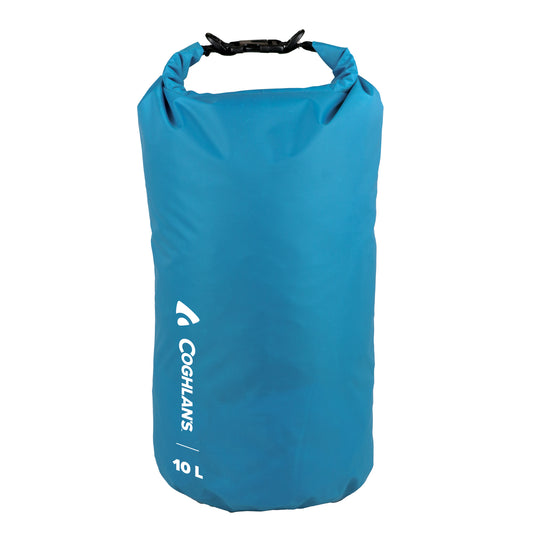
A blue 10 litre dry bag being suspended from a tree in the backcountry with paracord and a carabiner

Keep the Wildlife Wild

As a camp hero, we would hope that you’re in the know and know that leaving food scraps and wrappers out can attract wildlife to your campsite. Not only that, but that being exposed to human food causes them to continue to be interested in campsites and keep looking for more food.  Animals such as bears and raccoons have a keen sense of smell, and a very determined attitude. You will want to be sure to remove all campsite smells by storing scented items, even toiletries, in your vehicle or in a designated locker or bear box. If you don’t have access to any of these modes of protection, make a bear bag to suspend a safe distance from your camp.

A hand placing an adhesive rectangular mesh patch onto a grey-blue mesh panelling on a tent

Borrow, Buy Pre-Owned or Repair Gear

There are times where it will look like your gear has seen much better days. And that’s okay: it means your gear has protected you, assisted you, and made your time in the outdoors more enjoyable. With proper care and maintenance, there are many ways to continue to get more life out of your gear. Simple repairs like rips and holes can fixed right at home, or with affordable, easy to use repair kits that you can take along on your adventures. For larger repairs, take advantage of companies that offer the option to purchase individual components rather than an entire replacement; because there’s no need to replace an entire tent because of one broken pole.

Sometimes people discover camping just isn’t for them, or a tent’s specs just didn’t quite line up with what they needed. Pre-owned gear can be a great way to get gear and accessories that still have lots of life left in them, without a hefty price tag. This is especially ideal if you are also brand new to camping, hiking or paddling. Keep an eye out on Facebook Marketplace, at second-hand stores, or pre-owned/‘Gear Swap’ sections with retailers such as Patagonia, MEC or REI.

Sustainable camping isn’t about being perfect, it’s about making better choices, one trip at a time. Every wrapper you pack out, every designated trail you stick to, every repaired piece of gear, and every campfire you fully extinguish helps protect the places we all love to explore. The best part? Most of these habits take very little extra effort, but they make a big difference over time.

When  every camper does their part, we all help keep the outdoors wild, beautiful, and ready for whatever adventure comes next. That's what being a Camp Hero is all about.