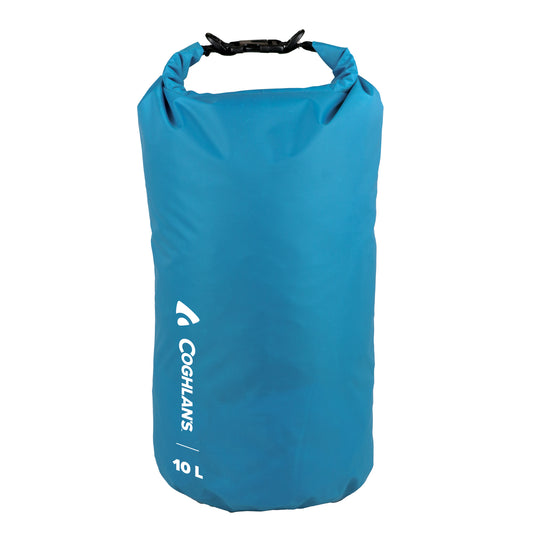
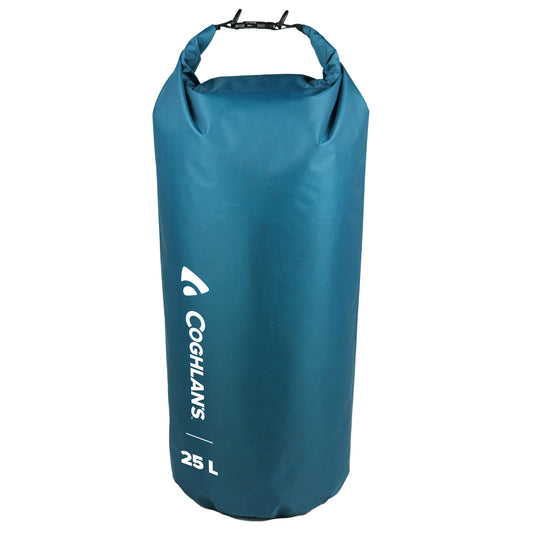
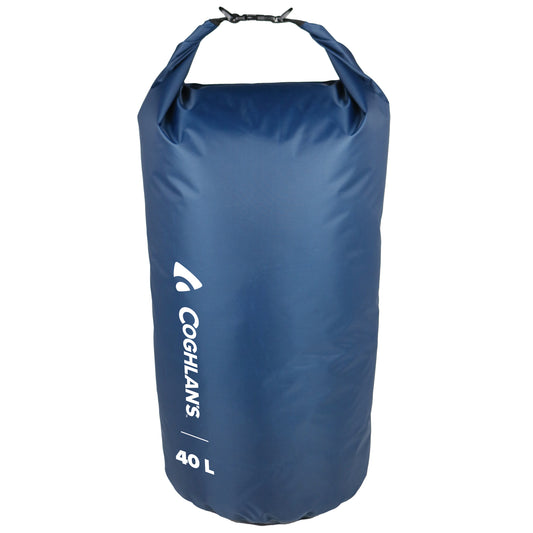
A red kayak with two blue bags in a lake surrounded by mountains on a sunny day

Comment utiliser un sac étanche

Lorsque vous êtes en déplacement et que vous avez besoin d'un rangement fiable et étanche, les sacs étanches sont vos meilleurs amis. Que vous fassiez une courte excursion en pagaie ou une randonnée dans un arrière-pays pluvieux, garder votre équipement au sec rendra le voyage beaucoup plus confortable. Mais, au final, un sac étanche n'est utile que par la façon dont vous le fermez. Quelques secondes supplémentaires pour bien rouler le haut et assurer une bonne étanchéité peuvent faire toute la différence. Ce guide étape par étape est là pour garder votre équipement au sec et l'eau à l'extérieur.

Step 1 - Pack Your Dry Bag

Dry bags are great for storing your gear that you really don’t want to get wet – think your tent, sleeping bag or sleeping pad, or your clothes. Of course you can pack any gear in here, but we just recommend avoiding sharp objects to prevent any punctures to the dry bag material.

Person packing a blue and gray sleeping bag into a blue dry bag

Step 2 - Leave Space at the Top of the Dry Bag

You don’t want to overstuff your dry bag. The bag can only work properly if there is enough space for the top seam to be tightly folded down three times. Be sure to leave a few inches of material to make the folds.

Person holding an open, packed blue dry bag over a white background
person opening a blue dry bag on a white background

Step 3 - Fold the Seam Down Three Times

Fold the top seam down three times, over top of one another. The folds should be tight and match the height of the dry bag’s seam This will ensure that the dry bag actually keeps things dry.

Person rolling the top of a packed blue dry bag on a white background
Person rolling the top of a blue dry bag on a white background

Step 4 - Clip the Dry Bag Shut

Hold the folded section in place and bring the ends of the buckle together to clip and secure. Use the built-in clip or a carabiner to attach your dry bag to a backpack, barrel, kayak bungee or thwart of a canoe.

Person using a buckle to clip a blue dry bag shut on a white background

Remember: The bag’s performance is dependent on proper use. Dry bags are not meant to be fully submerged in water as the roll-top closure is NOT an airtight seal. After enough time, water can begin to seep in.

Person holding a blue dry bag against a white background