Gear to Pack:
- Bear Bells: It doesn’t get much simpler than this. Bear bells are a handy little tool that you can clip to a holster, a backpack, or a belt to make consistent noise as you’re moving about on the trails. The sound of a bear bell, as well as projecting your voice as you speak, is helpful in alerting wildlife of your presence. Bears are naturally curious animals but are also usually deterred by loud noises. Getting into these habits or even clapping and singing songs with your friends will help to reduce the chance of a surprise encounter.
Note: Whistles are NOT an effective deterrent. They have potential to attract bears towards you rather than distance them.
- Bear Spray: If you do encounter a bear and it’s getting a little too close for comfort, bear spray will be the difference maker for your safety. The contents of bear spray work to agitate the eyes and the respiratory system of the bear but it also works on humans – so be mindful of the wind and watch where you spray. Once sprayed, this ideally causes the bear to flee or provides you enough time to safely leave the area while the bear’s ability to breathe, see and smell is disoriented. You will have to move quickly as the spray only lasts about 10 seconds and must be fired within close range of the bear (approximately 12-30 feet). Keeping bear spray within arm’s reach is crucial in these moments Attaching the canister to a holster, belt, or outer latch on your pack will provide you with potentially critical extra seconds.
Note: DO NOT pack bear spray inside your pack. Inform yourself of local laws and regulations regarding requirements in order to legally carry bear spray in your area. After purchase, be sure to read all usage and safety instructions prior to your next hike.
Keeping Camp a Bear-Free Zone
Rule number one of being outdoors: DO NOT feed the wildlife. If fed, it will lead to animals becoming more curious of human food and wanting to come back for more – leading to problems for future campers. They may look cute now, but they’ll look less cute when their search for more food keeps you up all night. Bears are resourceful, curious, and determined animals, and not much can stand in their way when they’re food motivated. Proper food storage and waste disposal is essential for the safety of all campers, from car campers to backpackers.
Front Country Prevention:
In the front-country, it’s quite common to use your vehicle as a bear-proof means of food storage, provided that the doors are locked and the windows are rolled up. Know before you go: there are areas in which bears are known for being able to enter vehicles and is therefore prohibited to store food or trash inside them. Be sure to ask local campgrounds to see if this applies. If you’re away from your site on a hike or packing in for the night, all food and garbage must be stowed away – this means no wrappers, no scraps and no dirty dishes should be left on picnic tables or along the trails. Campgrounds and trailheads typically station bear proof waste disposal sites throughout the area, you can trust that these will prevent curious wildlife.
Backcountry Prevention:
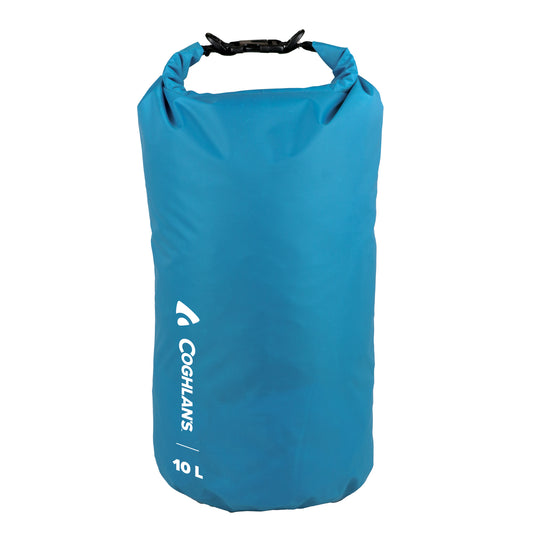
In the backcountry there are typically three means of storing your food: bear cannisters, bear boxes (installed and owned by the park), or hanging it from a tree. Each of these methods work to store your food safely by reducing sights and smells that would pique a bear’s curiosity. Before you go, be sure you know if your backcountry site will have bear boxes. And if not, pack a large, durable bag (such as a dry bag) and enough paracord to secure your stash up in the trees at least 10 feet above the ground and a fair distance from your tent. Bear cannisters on the other hand are tested to their limits, by actual bears! Despite being scent-proof and deemed bear-proof, it's still in your best interest to store these away from where you pitch your tent to keep you as safe as possible.
If You Encounter a Bear:
Not all bears are the same: different bear species equal different “defense” tactics. You may have even heard what’s commonly referred to as the Three Bear Rule, or this rhyme: “If it’s brown, lay down. If it’s black, fight back. If it's white, goodnight." Although it’s catchy, you shouldn't rely on this to make decisions. Use your judgement: analyze the situation to determine if the bear was provoked or just surprised by your presence.
In a surprise encounter on the trail, try clapping, speaking loudly, repeatedly saying “Hey Bear!”. This will make the bear aware of your presence and help de-escalate the initial shock. Slowly backing away from the area while doing this helps create more space between you and the bear and makes you seem like less of a threat. More often than not, the bear will slowly and peacefully return to the forest, and allow you to continue on your way.
If you spot cubs, mama bear is probably close by too – and she’ll be very protective and territorial of her babies. If you’re dealing with an aggressive bear, timing is crucial.
Black Bears:
When it comes to black bears, they are looking at you as if you’re prey. You want to make yourself appear as big as possible, make lots of noise and be ready to defend yourself with bear spray, or even a sturdy stick if physical means become necessary for survival – if it’s black fight back.
Grizzly Bears:
Grizzly bears on the other hand, require different tactics to fend them off. If you encounter a grizzly and it proceeds to stand on its hind legs, speak in a calm voice and slowly back away. This is their way of figuring out if you’re a threat or prey. This is not the time for sudden movements or loud voices as you don’t want to provoke the bear. If a grizzly goes for an attack, use your bear spray and play dead. Lay flat on your stomach, with your limbs spread out and with your hands and pack covering your neck to create a layer of protection – if it’s brown, lie down.
It’s difficult to predict the best way to prepare for a bear attack, which is why it’s so important we take the time to learn the importance of preventing them in the first place. Prevention starts at camp: like using wildlife-proof waste disposal sites and keeping your campsite food and scent-free to eliminate any appeal to your site. By practicing bear-safe habits, we keep bears wild and less intrigued by human presence, while keeping all of our fellow campers and hikers safe.