What is Geocaching?
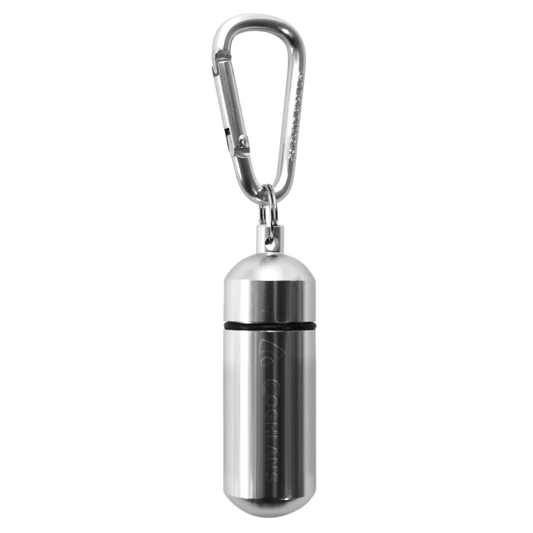
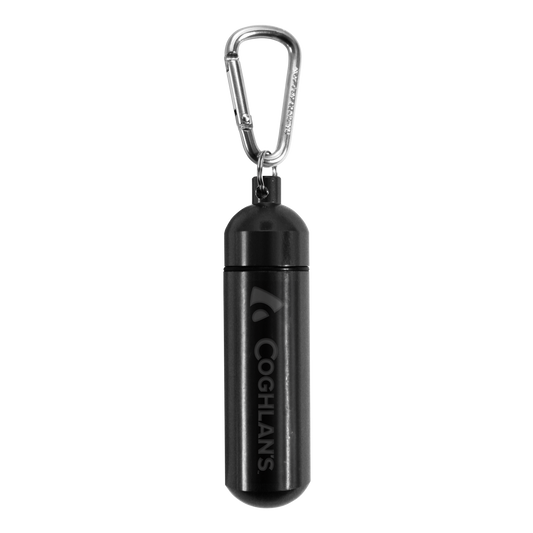
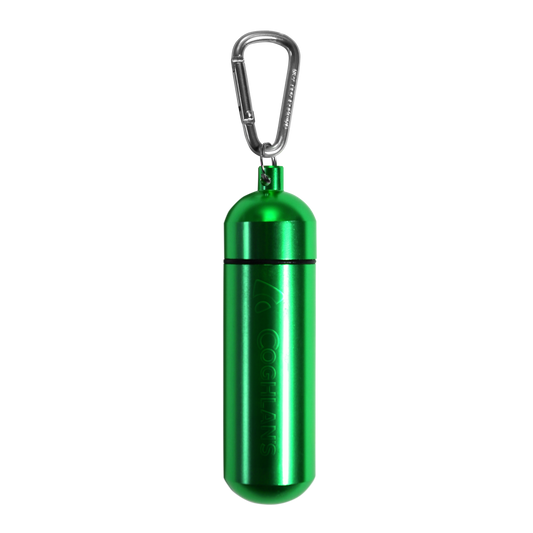
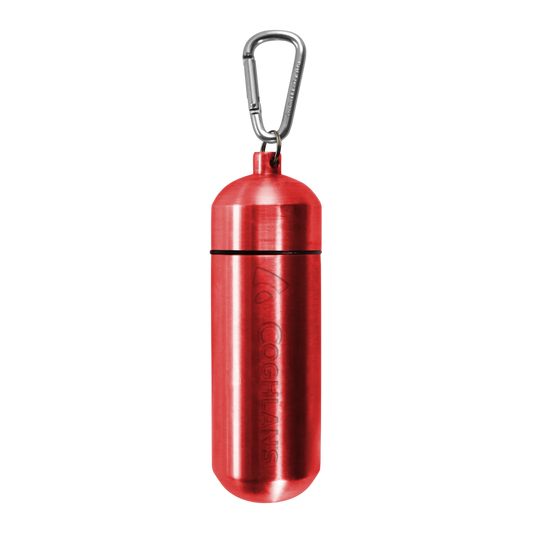
A geocache is a capsule that has been hidden outside by someone, only to be found by navigating with a set of coordinates. Think of it like a worldwide scavenger hunt, or just a great way for people of all ages to get out and explore the outdoors. With the help of a handheld GPS or even your cellphone, you can find your way to the cache’s designated hiding spot. Sometimes there will even be hints within the capsule’s name or description to point you in the right direction for where to look.
Where Do I Start?
Geocaching is as simple as downloading an app. Creating an account on geocaching.com is free but offers optional fee-based premium features. The app will use your phone’s location to highlight all the geocaches close by. Explore the pins on the map and pick one to start your personal treasure hunt. If using a GPS, the coordinates can be pulled from the geocaching app as well as geocaching.com. Simply input these coordinates into your GPS and you’re all set. If you appreciate the old-school, more traditional approach, take advantage of your GPS and the opportunity to bushwhack deeper into the backcountry. If you’re just starting out, your phone is more than capable of getting you where you need to go.
The app won’t show you a direct route to the geocache, it's not like other maps or navigation apps. Once you pick a cache, it’s up to you to analyze your surroundings to determine how you’d like to search. For a further breakdown, geocaching.com offers tips on how to navigate a cache.
What Am I Looking For?
There are no rules for a cache's look. Geocaches come in many different shapes and forms, and of course, they’re meant to stay hidden. To narrow your search, refer to the geocache’s listing to get an idea of if you're searching for something extra small or extra large. They can be as straight-forward as a regular old Tupperware container hidden within some rocks, to a realistic decoy log that will make you do a double-take. If you haven’t found the cache despite the app saying you’re in the right place, keep searching the general area. The app is only meant to get you within 9 metres (30 feet) of the cache. When you’re getting close, you can swap to a compass-view in the app to make sure you’re looking in the correct direction. Take your time and have fun during your search and keep an eye out for anything that looks slightly unusual or out of place.
I Found One, Now What?
First of all, congratulations on finding your first geocache! To avoid drawing attention to the cache, move away from its hiding spot to look at the contents. Now, open that bad boy up and let’s see what little treasures are inside! From cool looking rocks to tiny figurines, you never know what’s been left behind – feel free to exchange with a knickknack of your own. What you’re really after is the logbook. This little book is a catalog of every single person who has found this geocache and the date they found it. Go ahead and add your name to the logbook. If you want to look like a seasoned geocacher, sign with your geocaching.com username rather than just your name – that’s what the pros do. Once you’ve signed, put everything back into the cache. Make sure to put everything back the way you found it and discretely place it back in its hiding spot.
As you find more geocaches, your account history will populate and become a record of every geocache you’ve found. When you log a geocache on your account, it will alert the owner of the cache that it has been found. Feel free to leave a review of the geocache or let the owner know that their geocache could use a bit of TLC before more people search for it, but no spoilers!
Be Safe, Be Prepared
Just like any hike, it’s important to be prepared with the right gear. This means packing water, snacks and making sure your navigation device of choice is fully charged. A couple geocaching essentials should also be in your pack: a pen or pencil to sign the logbook, a potential offering to leave in the geocache, and a headlamp just in case your adventures last after dark.
Geocaching is an easy way for all ages to get outside, and it doesn't matter where you are. Plus, with practically never-ending routes, you can explore as much or as little as you'd like. So next time you’re out at the cabin, at camp, or even just taking a stroll in your neighbourhood, pull up the map of geocaches and see if there are any nearby. You never know what you might find. Plus who knows, maybe one day you’ll have your own geocache on the map.