1. Start Small
Practice makes perfect! If you’ve never been part of a group camping trip, this would be a good initial experience to have before taking the leap. By no means does your first solo venture need to be into the isolated wilderness where you won’t see another person for days. Camp in familiar areas to build up your comfort level – a common camping destination with your buds, or a well trafficked front country campground close by. Once you hone your tent pitching, fire building and camp setup skills, you can slowly work your way up to more challenging camping trips. Remember: everyone has hiccups at the campground. Try to not get discouraged and instead: see these moments as learning opportunities to improve your skillset.
2. Have an Imaginary Camp Friend
Unfortunately, there are instances in which solo campers, particularly women, can attract unwanted attention from other campers. Sometimes all it takes is the illusion of a second person being at the site to reduce their interest. Simply setting up a second lawn chair or placing an extra pair of runners outside of your tent is enough to appear as if you’re camping as part of a group – you know what they say, there’s safety in numbers. While this is by no means a necessary routine to keep up with, this is a process than can give some newer campers a bit more peace of mind.
3. Carabiners as Zipper Latches
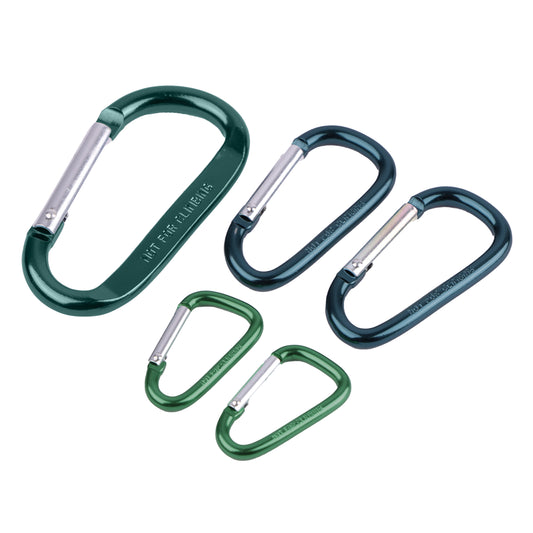
When you’re paranoid at night, sometimes you can’t tell the difference between the sound of a squirrel in a tree or a bear just outside your tent – and your mind convinces you it’s the latter. Put your mind at ease with this simple hack: before you head to bed, take a carabiner and use it to latch your tent door’s zippers together. By latching them together, you are preventing the tent from being opened by anything on the outside, giving you full control. Plus, if you have a furry friend tagging along on your trips, this trick also prevents them from nudging the zippers apart and escaping from your tent.
4. Share Your Plans with Someone
Before you head out, provide your partner, close friend or a family member a rough itinerary of your adventure. You don’t need exact times per say but indicating where you will be and the duration of your stay at each location will be helpful in the event of an emergency. If you know that you will be going out of range of cell service, pre-determined check-ins or a pre/post hike update once you’ve returned can be a helpful routine to establish, for your sake and theirs. If you’re the type to take days to respond to texts (no judgement here) sharing your phone’s location for the duration of your trip is another worry-free method of letting loved ones know that you’re safe.
5. Don't Skimp on Survival Gear
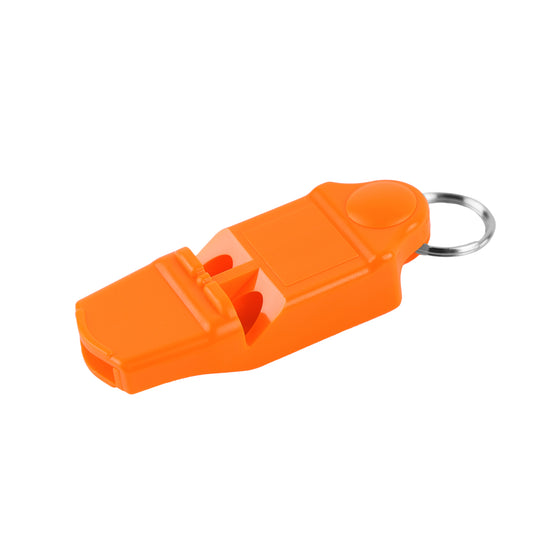
People don’t think something bad is going to happen to them until it does – only after that do they ensure they’re equipped for their adventures. Camping trips can be unpredictable, so don’t take any chances when it comes to your safety when you’re outdoors – be prepared from the get-go. Always keep a first-aid kit in your glove box or in your pack, because you never know when you’ll need a bandage. A simple signal device like a whistle or bear bell shouldn’t be overlooked either. Having one in arm’s reach can be crucial in those moments that you only have seconds to react, such as a wildlife encounter or a medical emergency. If you plan to delve a bit deeper into the backcountry, we strongly recommend a portable satellite GPS. These compact devices can send messages to paired cellphones, send distress signals, provide weather updates and ensure accurate navigation even without cell service. While we hope you never have to actually use this gear, you’ll be glad you packed it if your worst case scenario becomes reality.
6. Use Your Vehicle
There is no rule against sleeping in your vehicle. It’s a waterproof, windproof shelter that keeps you up off the ground and keeps the bugs out – that’s a win in our books. Camping is supposed to be relaxing, by whatever means necessary, and a good night’s sleep plays a vital role. It’s completely natural to feel a bit more anxious at nighttime, especially when it’s your first go at a solo trip. It’s nice knowing that you can lock the doors and settle in for the night without much of a fuss, so take advantage of it! Many people even renovate their vehicles for this specific purpose, adding storage space, space for a comfy sleep set-up – it's the perfect home away from home.
7. Embrace Analog
You’re surrounded by uninterrupted, stunning landscapes, and all the time in the world to soak it in. Take this time to allow yourself to decompress. Pack that book that’s been collecting dust on your nightstand, check out a nearby hiking trail, go for a swim, or bring a journal – at least to prevent doomscrolling the day away. However, no one is going to judge you for having a movie night in your tent at night. Do what you need to do on order to be comfortable in your own company.
No matter where you are in your camping journey, your first solo adventure will empower you and leave you wondering why you waited so long to try. Take the time to let life slow down a bit, trust your instincts and be sure to roast plenty of marshmallows.